P/N 2455038-2: General Aviation Cooling Component
P/N 2455038-2: General Aviation Cooling Component
Blog Article
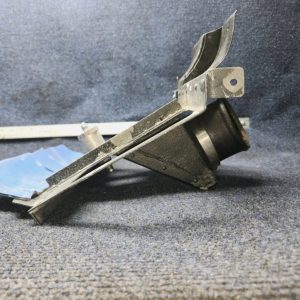
The Cessna 172RG Rear RH Baffle Assembly
The Cessna 172RG Rear Right-Hand Baffle can support airflow management, while the Cessna 172RG Engine Baffle and Cessna 172RG Cooling Baffle descriptions should not imply universal interchangeability.
The Cessna Cutlass Engine Baffle and Aircraft Engine Baffle Assembly keywords help qualified buyers locate relevant replacement parts.
Whether buyers require a Cessna Engine Cooling Baffle, Aircraft Cooling Air Baffle, or Cessna 172RG Airflow Baffle, surrounding seals and attachment points more info should also be inspected.
The Cessna Aircraft Engine Baffle may provide replacement value when its geometry, mounting points, seals, and material condition remain suitable.
Identifying the Cessna 172RG Rear RH Baffle
Every digit, dash, revision, or associated marking should be recorded because similar-looking baffles can differ in contour, holes, brackets, seals, and eligible applications.
The buyer should determine whether the assembly is original, repaired, refurbished, fabricated, removed from an aircraft, or offered as an incomplete section.
Cessna 172RG Engine Temperature Management
Cracks, missing seals, loose fasteners, or distorted edges can allow cooling air to bypass intended areas.
Cooling performance depends on proper pressure differences, sealed boundaries, suitable airflow paths, and accurate baffle positioning.
Verifying Fitment Before Purchase
The offered assembly should be compared with the removed component, mounting points, adjacent baffles, cowling, and technical illustrations.
Mounting holes should not be enlarged or relocated casually to force alignment.
Maintaining Original Baffle Geometry
An Aircraft Engine Baffle Assembly may include formed sheet material, flanges, stiffening bends, brackets, attachment holes, seal-retaining features, and related hardware.
Unauthorized bending, hammering, heating, grinding, drilling, or trimming can damage the assembly and affect its relationship with adjacent components.
Assessing a Used Cessna Baffle
A detailed inspection provides stronger evidence than a general good-condition description.
Previous patches, stop-drilled cracks, replacement brackets, welds, or enlarged holes should be documented.
Inspecting Engine Baffle Seals
The offered assembly should identify whether seal material, retainers, rivets, or mounting hardware are included.
Excessively stiff or incorrectly positioned material can interfere with cowling installation or fail to seal properly.
Corrosion Inspection and Prevention
Surface staining may be minor, while pitting, material loss, exfoliation, or corrosion around holes can require more extensive action.
Responsible corrosion prevention supports long-term component value.
Crack and Fastener-Hole Inspection
Stop-drilled cracks should not be treated as complete repairs without supporting technical information.
Fastener type, diameter, grip, spacing, and installation method should correspond with applicable data.
Cessna Cutlass Cooling System Components
A missing bracket, damaged seal, or distorted neighboring panel can delay installation even when the primary baffle is available.
Used Cessna 172RG Engine Compartment Parts should be evaluated individually rather than accepted solely because they came from the same donor aircraft.
Avoiding Unnecessary Component Replacement
Unexpected engine temperatures should be investigated through a structured review of instrumentation, engine condition, airflow, baffles, seals, cowling, operation, and environmental factors.
The condition of cylinder fins, oil cooler airflow, hoses, ignition timing, induction, exhaust, and other engine systems may also influence operating temperatures.
Cessna Baffle Repair Considerations
The technician should consider access, labor, material, finishing, alignment, seals, and future maintainability.
Repairs should preserve the intended contour, mounting locations, clearances, seal attachment, and airflow boundary.
Replacement Baffle Purchase Considerations
Damaged or incomplete baffles may still have repair-candidate, restoration, pattern, or reference value when described accurately.
The listing should state whether the component is new, used, repaired, inspected, untested, serviceable, or offered for parts.
Evaluating P/N 2455038-2
The buyer should request enough information for qualified maintenance personnel to evaluate the component before purchase.
- Resolve identity, compatibility, orientation, and package-completeness questions before payment.
- Inspect the baffle for cracks, corrosion, pitting, dents, buckling, distortion, elongated holes, fretting, broken brackets, damaged flanges, and previous repairs.
- Require packaging that supports the baffle without bending flanges, crushing contours, damaging brackets, scratching finishes, or allowing loose hardware to strike the panel.
Aircraft Cooling Baffle Packaging
Padding should prevent direct contact with hard surfaces without trapping damaging moisture.
Heavy objects should never be stacked on the baffle.
Cessna Cutlass Cooling System Installation
Installation should be completed by appropriately qualified aviation maintenance personnel using applicable aircraft, engine, parts, and maintenance information.
Temporary fitting can help reveal alignment and clearance concerns before final attachment.
P/N 2455038-2.
Maintaining the Cessna 172RG Cooling System
Long-term maintenance includes periodic inspection of the baffle, seals, fasteners, brackets, adjacent panels, cowling contact areas, protective finishes, and corrosion-prone locations.
Seal material should remain flexible, correctly oriented, securely attached, and positioned against the intended cowling surfaces.
Choosing the Cessna 172RG Rear RH Baffle Assembly
The Cessna 172RG Rear RH Baffle Assembly
The baffle should be judged according to complete installation suitability rather than clean appearance, general Cessna similarity, donor-aircraft status, or purchase price alone.
Whether the component is purchased for scheduled maintenance, corrosion replacement, cooling-system repair, accident recovery, restoration, or spare-parts support, transparent information and professional oversight provide the strongest foundation.
With complete evaluation and continued care, the Cessna 172RG Rear RH Baffle Assembly
Report this page